
Plan Your Visit
Discover Sri Lanka.
Everything you need to know to plan your visit.
Sri Lanka
 at a glance
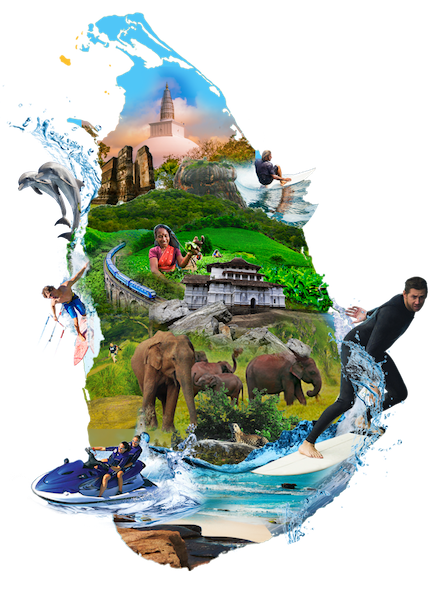
Set in the Indian Ocean in South Asia, the tropical island nation of Sri Lanka has a history dating back to the birth of time...
Few places in the world can offer the traveller such a remarkable combination of stunning landscapes, pristine beaches, captivating cultural heritage and unique experiences...
This is an island of magical proportions, once known as Serendib, Taprobana, the Pearl of the Indian Ocean, and Ceylon.
Discover refreshingly Sri Lanka!
| Official Name | Democratic Socialist Republic of Sri Lanka |
| Government Type | Republic |
| Location | Latitude 5° 55' to 9° 50' north, Longitude 79° 42' to 81° 52' |
| Dimensions | 430km North to South, 225km East to West |
| Coastline | 1,340km |
| Area | 65,525 km² |
| Currency (code) | Sri Lankan Rupee (LKR) |
| Independence | 4 February 1948 |
| Administrative Capital | Sri Jayewardenepura |
| Commercial Capital | Colombo |
| UNESCO Heritage Sites | 8 Sites, including Sigiriya & Polonnaruwa |
| Population | 20,359,439 |
| Population Density | 325 people per sq Km |
| Life Expectancy | 78.6 (Female), 72 (Male) |
| Literacy Rate | Female: 90.8%, Male: 92.77% |
| Languages | Sinhala (74%), Tamil (18%), English (10%) |
| Religion | 70.1% Buddhist, 12.6% Hindu, 9.7% Muslim, 6.2% Christian |
| Time Zone | GMT+5:30 |
| IDD Code | +94 |
| Electricity | 230-240V, 50Hz AC |
Exclusive Flight Discount
SriLankan Airlines is proud to be the official airline partner for Twins Congress 2025, offering exclusive discounts on all reservations—up to 20% off Economy Class and 10% off Business Class*. Take advantage of this special offer and enjoy seamless travel to the event.
Book your flight through our dedicated reservation link and experience world-class hospitality with SriLankan Airlines.
*Airfare may depend on seat availability
Visa
Processing
To enter Sri Lanka for a short stay, travelers need to obtain an Electronic Travel Authorization (ETA)
before arrival. The ETA is an online visa that grants permission to stay for up to 30 days, extendable for
an additional 60 days.
The application process is simple, requiring basic personal and travel details. It's advisable to apply at
least 14 days before departure. Once approved, the ETA is electronically linked to the passport.
Alternatively, visitors from certain countries may be eligible for a visa on arrival, but it’s recommended to
check eligibility in advance to avoid delays.
Exclusive Offer
from Cinnamon Hotels
in Partnership with Jetwing Travels
Sri Lanka Offers visitors an excellent range of accommodation facilities to suit all budgets from luxury hotels to low budget accommodations.
Jetwing Travels have negotiated special rates applicable to conference participants with Cinnamon Hotels. Return shuttle transfers will be arranged from the hotels to the conference venue for the participants who make reservations through the official travel partner.
Cinnamon Red
-
Single/Double Occupancy
-
Bed & Breakfast
Free shuttles to and from Conference Venue
Includes all taxes
Cinnamon Grand
-
Single/Double Occupancy
-
Conference Venue
-
Bed & Breakfast
-
Includes all taxes
Airport
Transfers
Arrival Procedure:
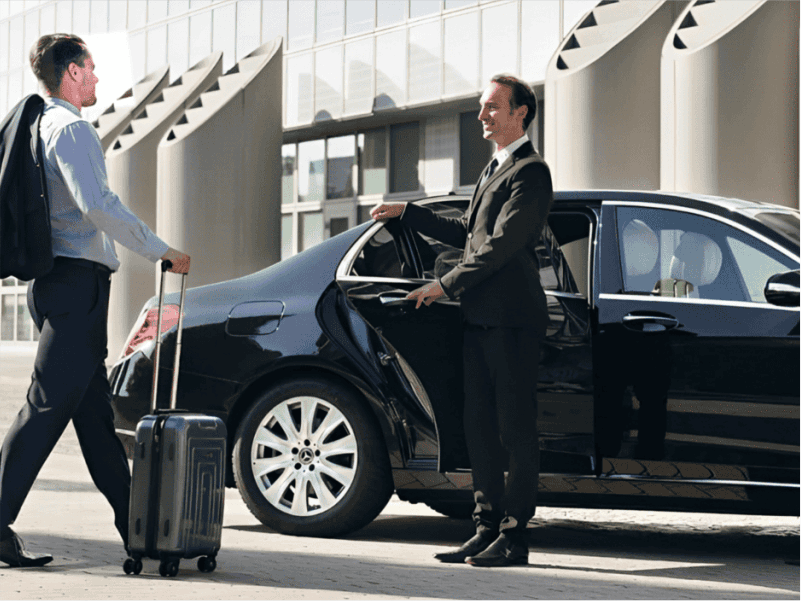
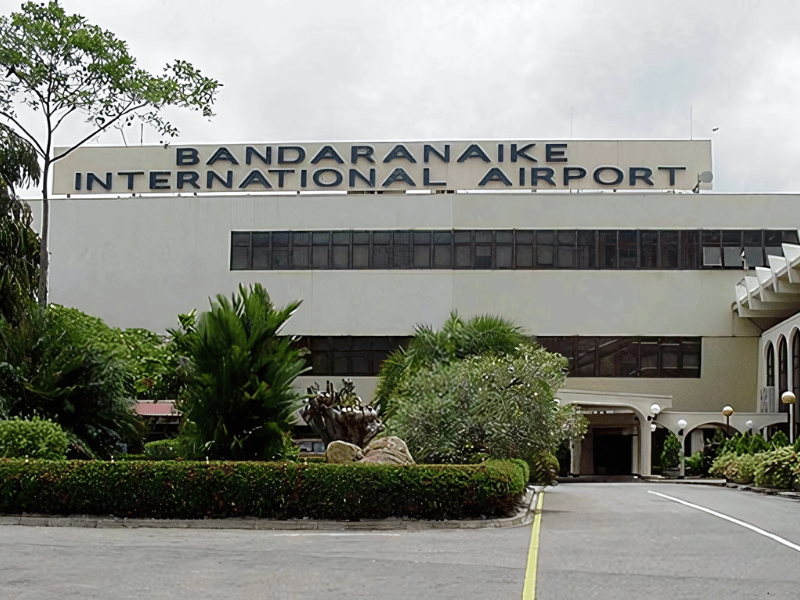
Upon arrival at Bandaranaike International Airport (CMB), you will be greeted by a representative from Jetwing Travels holding a paging board with your name. You will then be warmly welcomed and escorted to your hotel located in the heart of Colombo.
Departure Transfer:
Please note that it is mandatory for passengers to arrive at the airport at least 3 hours prior to the scheduled departure time. The drive from Colombo to Bandaranaike International Airport takes approximately 1 hour. Therefore, our designated chauffeur guide will pick you up from your Colombo hotel 4 hours prior to your flight departure time to ensure a smooth and timely transfer.
Health & Vaccination
Guidelines for Travelers
Yellow Fever:
Travelers arriving from, or transiting more than 12 hours through, countries with a risk of Yellow Fever transmission must present a valid Yellow Fever vaccination certificate upon arrival. This will be checked by the Health Office at the airport in Sri Lanka.
View the list of Yellow Fever risk countries (WHO)
Other Vaccinations:
Currently, no additional vaccinations are mandatory for entry into Sri Lanka.
Malaria Prophylaxis:
No malaria prophylaxis is required before arriving in Sri Lanka.
Travelers arriving from malaria-endemic countries should inform their healthcare provider if they experience any malaria-like symptoms after arrival.
More information from the Sri Lankan Anti Malaria Campaign
COVID-19 Policies:
As of now, no COVID-19 vaccination or testing requirements are in effect for entry into Sri Lanka.
Current Health Advisories & Quarantine Measures:
There are no specific health advisories or quarantine requirements in place at this time.
Exclusive Tours
Discover Sri Lanka’s rich heritage, stunning landscapes, and vibrant culture with exclusive day tours curated for Twins Congress delegates. Enjoy guided excursions in air-conditioned comfort, complete with entrance fees and authentic local dining experiences.
Kandy Day Tour
-
Visit Pinnawala Elephant Orphanage
-
Explore Temple of the Tooth Relic
-
Tour Royal Botanical Gardens
-
Lunch at a local restaurant
-
Luxury transport with guide
Galle Day Tour
-
Witness Stilt Fishing
-
Explore Galle Fort
-
Madu River Boat Safari
-
Visit Kosgoda Turtle Hatchery
-
Lunch at a local restaurant
Overnight Tour
-
Witness Kandy Esala Perahera on 8th
-
Visit Pinnawala Elephant Orphanage
-
Explore Temple of the Tooth Relic
-
Tour Royal Botanical Gardens
-
Overnight stay with dinner & breakfast
Foreign Currency
Regulations
There are no restrictions on the amount of foreign currency that can be brought into Sri Lanka. However, if the value of the currency exceeds USD 10,000 or its equivalent, it must be declared upon arrival.
Visitors are allowed to take out the unspent portion of the foreign currency they brought into Sri Lanka. Unspent rupees converted from foreign currencies also can be re-converted to the original currency on departure as long as encashment receipts can be produced.
Local
Currency
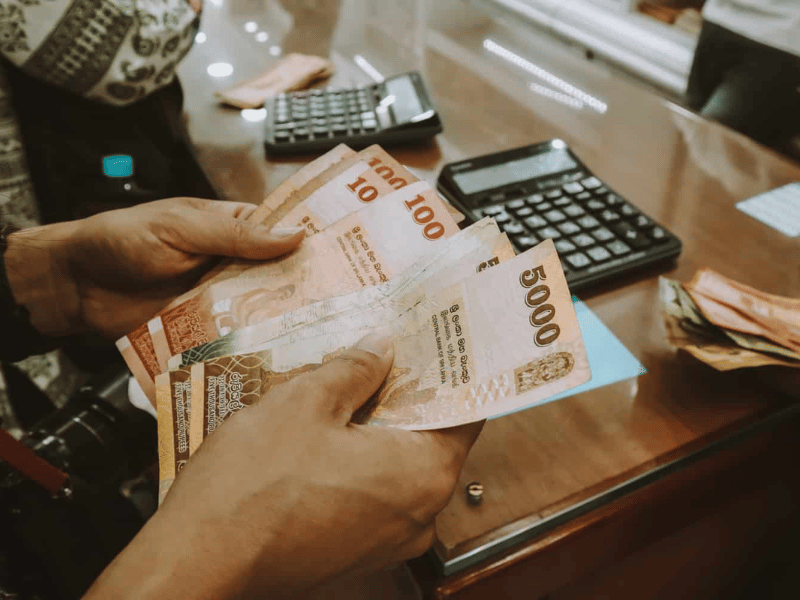
The local currency is the Sri Lankan Rupee, divided into 100 cents (you rarely come across cents today). Currency notes are Rs. 5,000, Rs. 2,000, Rs. 1,000, Rs. 500, Rs. 100, Rs. 50 and Rs.20.
Beware of mistaking the Rs. 500 note for the somewhat similar Rs. 100 one. To check whether notes are genuine when not given at a bank, look for a lion watermark. Coins, should you have received them, will be in denominations up to Rs. 20.
Time
Difference
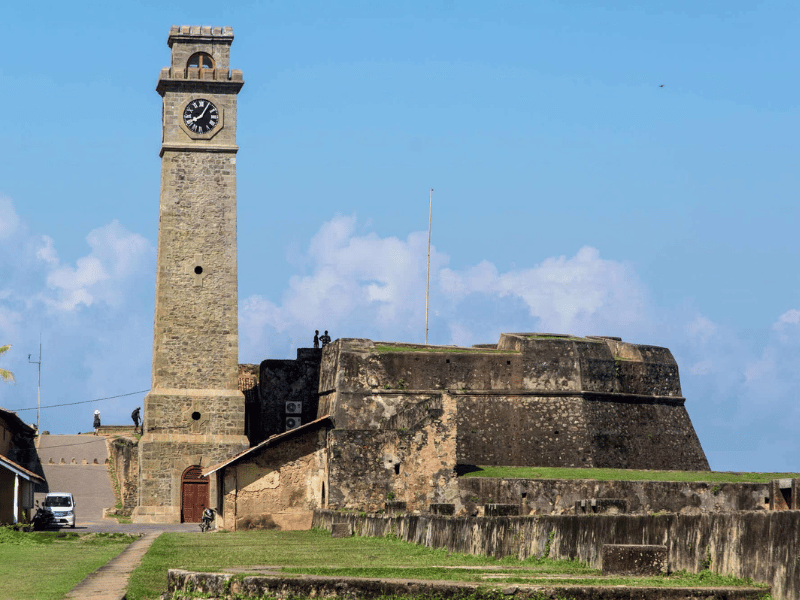
Sri Lanka Standard Time is five and a half hours ahead of GMT. (Allowance should be made for summer-time changes in Europe.)
Electricity
in Sri Lanka
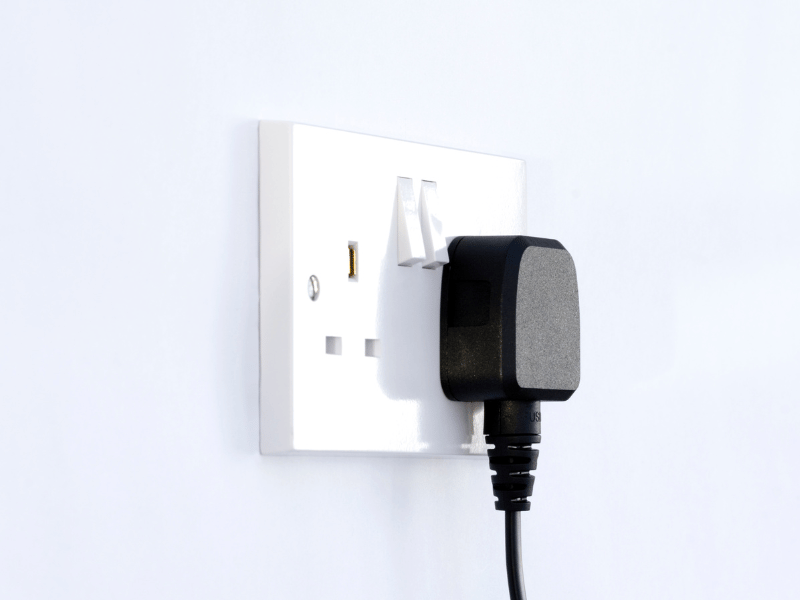
The standard voltage of electricity in Sri Lanka is 230 volts and operates on a 50Hz frequency.
Type G plug, also known as the British BS-1363 plug, is the standard electrical plug used in Sri Lanka. The Type G plug has three rectangular-shaped pins in a triangular pattern and is designed to operate at a voltage of 230 volts and a frequency of 50 Hz.
Credit
Cards
Credit and debit cards are widely accepted across Sri Lanka, from hotels and restaurants to supermarkets and online stores. With the rapid expansion of digital payments, most businesses now support contactless and mobile wallet transactions, making payments seamless and secure.
Banks
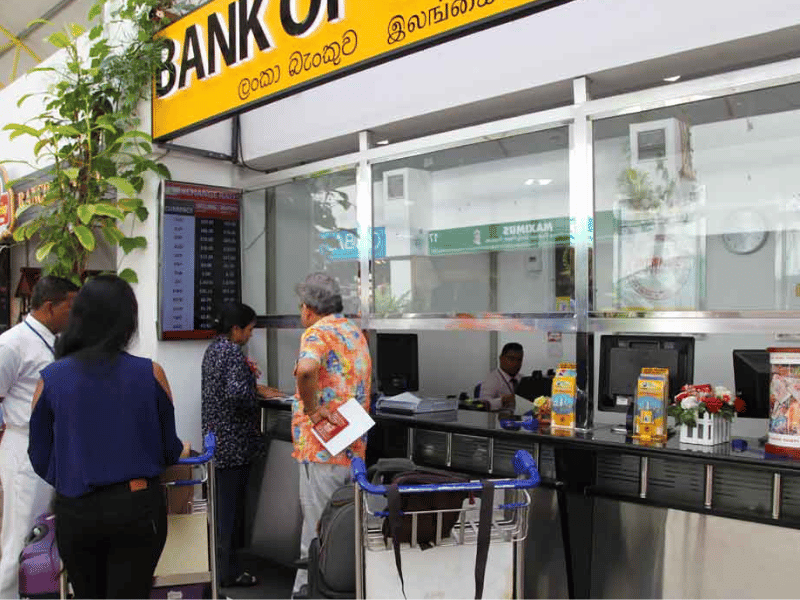
Banks are open from 09:00 hrs to 15:00 hours Monday to Friday.
It is easy to withdraw money across the island at ATMs using international credit cards or debit cards.
Language
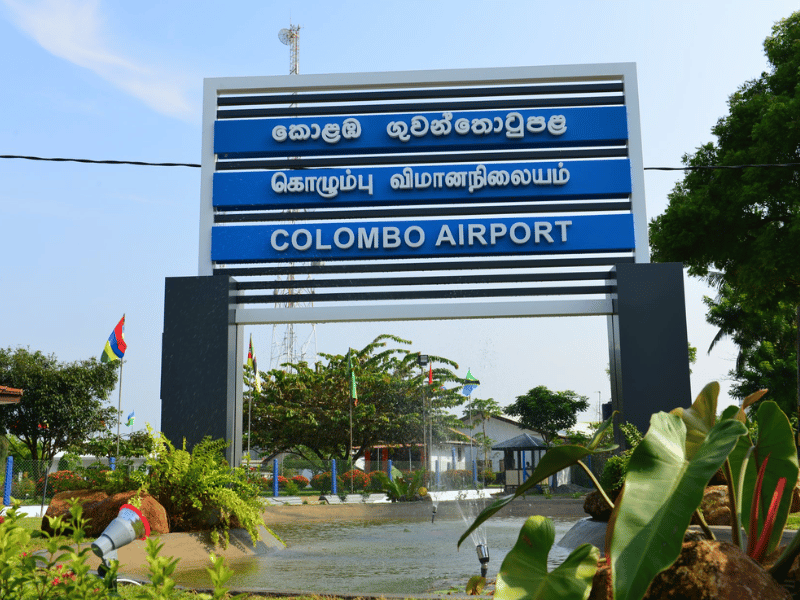
Sri Lanka has two official languages. Sinhala and Tamil - with English as a link language. Most people have some knowledge of English, and signboards are often in English.
Weather
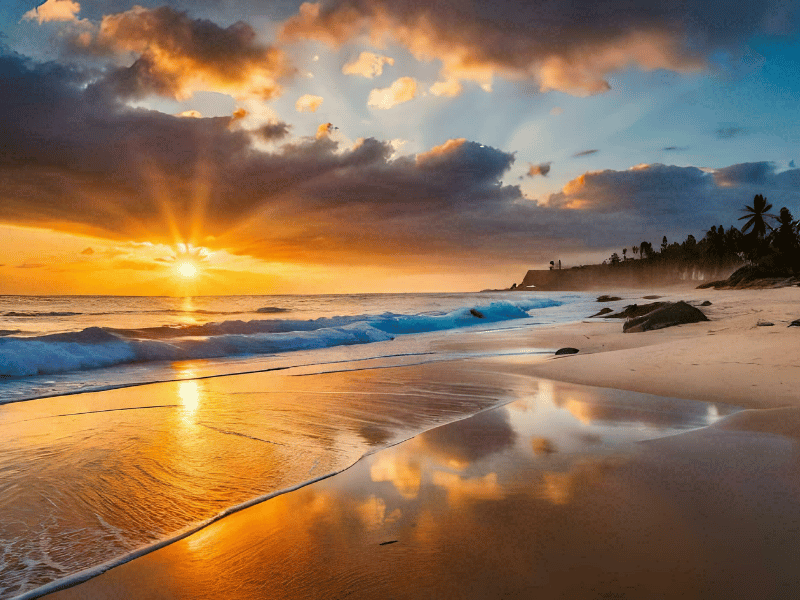
Due to the location of Sri Lanka, within the tropics between 5o 55' to 9o 51' North latitude and between 79o 42' to 81o 53' East longitude, the climate of the island could be characterized as tropical.
The central part of the southern half of the island is mountainous with heights more than 2.5 Km. The core regions of the central highlands contain many complex topographical features such as ridges, peaks, plateaus, basins, valleys and escarpments. The remainder of the island is practically flat except for several small hills that rise abruptly in the lowlands.
The Climate experienced during 12 months period in Sri Lanka can be characterized in to 4 climate seasons as follows:
- First Inter-Monsoon Season - March - April
- Southwest Monsoon Season - May - September
- Second Inter-Monsoon Season - October - November
- Northeast Monsoon Season - December - February
What to Wear
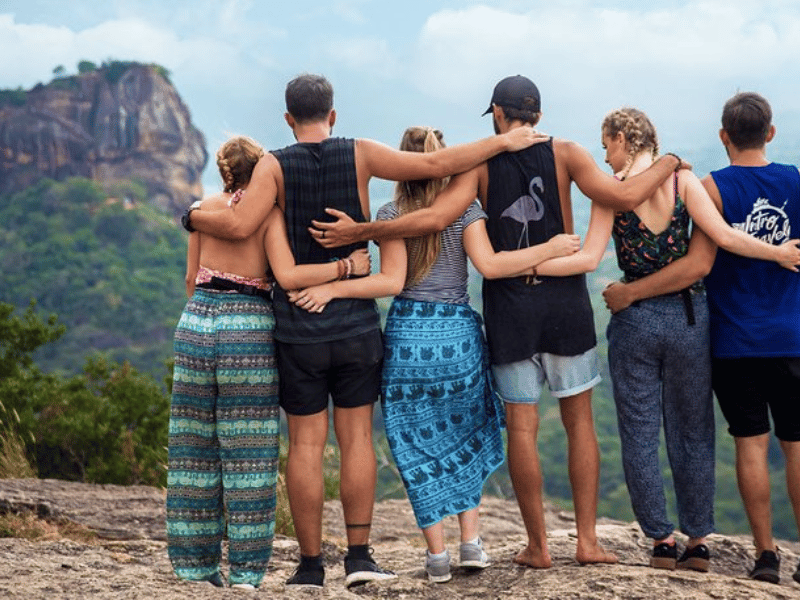
Sri Lanka has a tropical climate, so it is recommended to wear lightweight and breathable fabrics such as cotton or linen to stay cool and comfortable in the hot and humid weather.
When visiting temples, mosques, or other religious sites, it is important to dress modestly and remove footwear before entering. Long pants or skirts and shirts that cover the shoulders are typically appropriate.
Photography
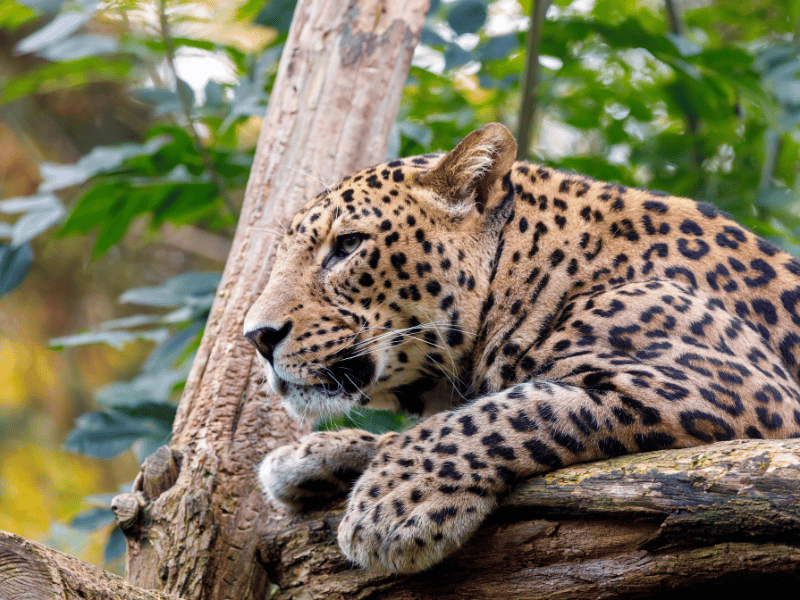
Sri Lanka is a tremendously photogenic island. The stunning landscapes, the captivating fauna and lush flora, and the stupendous archaeological remains provide great opportunities: a bonus is that Sri Lankans love to be captured on camera.
Permits: Tourists who wish to visit and or photograph the principal ancient monuments in Sri Lanka are required to purchase a ticket at the site.
Restrictions: There are some important restrictions that apply to photography in religious places. When you visit a temple or other religious site, remember that photography should not be carried out in a manner causing disrespect. For instance, it is strictly forbidden to be photographed in front of or beside any statues and murals. Flash photography should not be carried out as it can damage old murals.
Customs
and Duty Free
A visitor is allowed to bring into the country duty free 1.5 litres of spirits, two bottles of wine, a quarter-litre of toilet water, and a small quantity of perfume and souvenirs with a value not exceeding US $250. The import of personal equipment such as cameras and laptop computers is allowed but must be declared on arrival. However, personal equipment must be taken out of the country upon the visitor's departure.
The import of non-prescription drugs and pornography of any form is an offence.